Delivering Reliable Linemarking Solutions SINCE 2014
Thermoplastic Line Marking
Shop our range of thermoplastic line marking solutions and supplies. It includes thermoplastic road marking tape, symbol templates, and gas torch kits. Thermoplastic road marking is made from synthetic paint compounds, often in powdered or tape form. It is applied by heating the thermoplastic material with a gas torch. The heat bonds the material to the surface. This type of line marking material can be applied to a variety of hard surfaces, including asphalt, concrete and tarmac. Thermoplastic line marking creates crisp, highly durable markings that are quick to apply. Remember to check whether thermoplastic line marking material is compatible with the surface you need to mark. Browse our full range today for long-lasting markings that are resistant to weather and traffic damage. We also supply a range of equipment for applying thermoplastic materials, including gas torch kits.
Thermmark
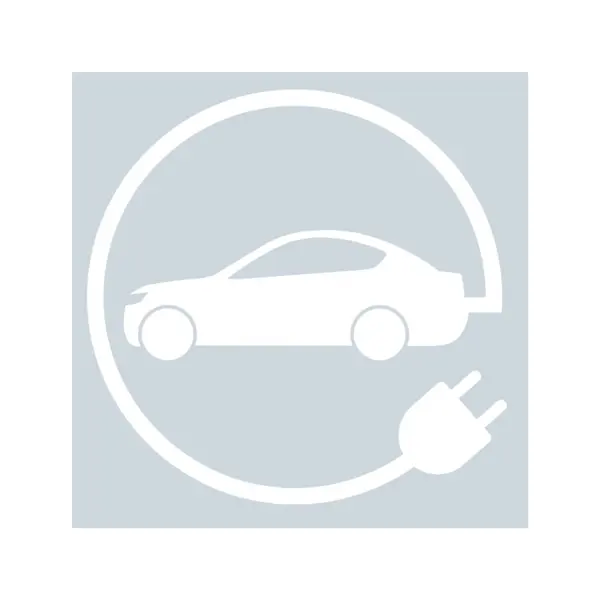
Thermmark Electric Car Charging Symbol 2
- Preformed Thermoplastic EV Charging Symbol
- Multiple Colours Available
- Simple 1-Layer Heat Application
- Requires Minimal Surface Preparation
- Dissuades Incorrect Parking
- Weather & UV Resistant
- Pre-Cut For Ease & Accuracy
- Environmentally Friendly
Thermmark
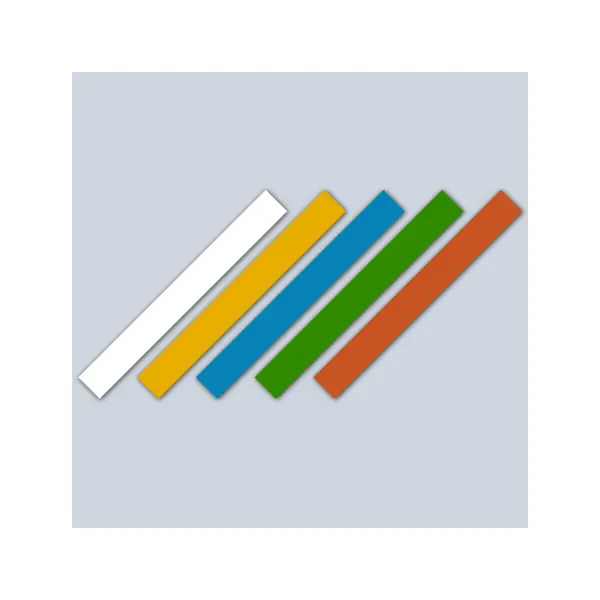
Preformed Thermoplastic Box of 1m Lines
- Available In Multiple Colours
- Pre-Cut Straight Lines
- Quick & Easy To Install
- Ideal For Hard Surfaces
- Flexible & Versatile
- Non-Slip & Weather-Resistant
- Requires Minimal Surface Preparation
- Environmentally Friendly
Thermmark
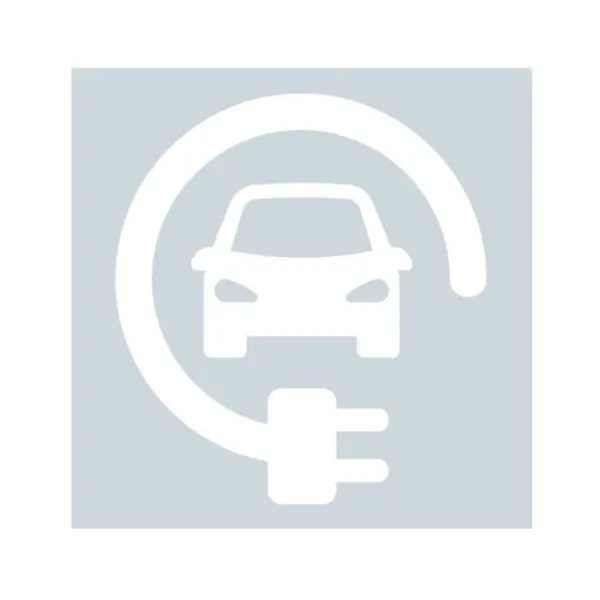
Thermmark Electric Car Charging Symbol 3
- Preformed Thermoplastic EV Charging Symbol
- Multiple Colours Available
- Simple 1-Layer Heat Application
- Requires Minimal Surface Preparation
- Dissuades Incorrect Parking
- Weather & UV Resistant
- Pre-Cut For Ease & Accuracy
- Environmentally Friendly
Meon
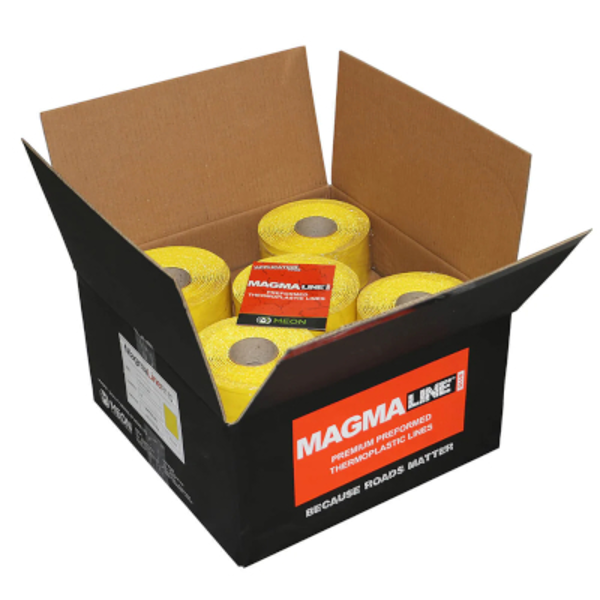
Magma Magmaline R110 Reformed Thermoplastic Lines
- Instant Reflectivity
- Consistent Quality
- Zero Waste
- 50mm Width
- Low Application Costs
- Durable Crisp & Clear Lines
Thermmark
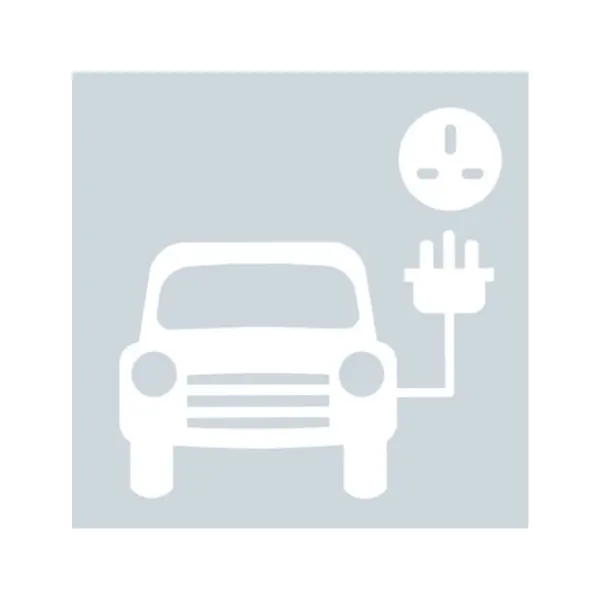
Thermmark Electric Car Charging Symbol 1 S65
- Preformed Thermoplastic EV Charging Symbol
- Multiple Colours Available
- Simple Heat Application
- Requires Minimal Surface Preparation
- Dissuades Incorrect Parking
- Weather & UV Resistant
- Pre-Cut For Ease & Accuracy
- Environmentally Friendly
Magma
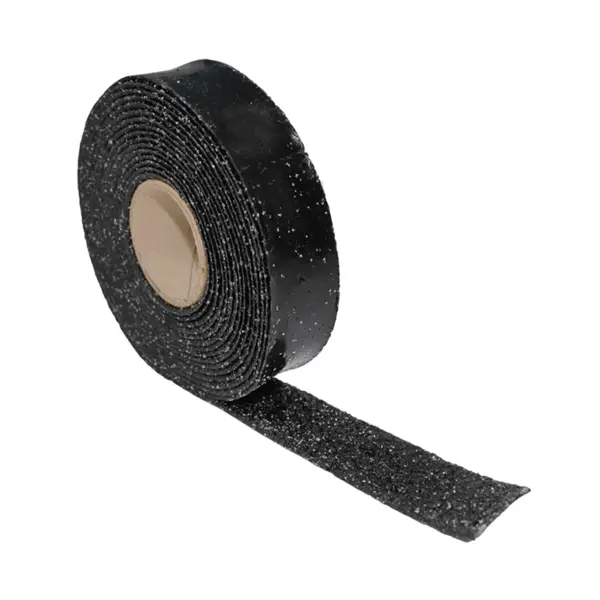
Magma ThermaBand R171 Preformed Thermoplastic HAPAS Overbanding Tape
- Economic
- Advanced Formula
- Easy Application
- Anti-Skid Grain
- HAPAS approved
- BBA approved
- Major Projects Authority assured
ProSolve
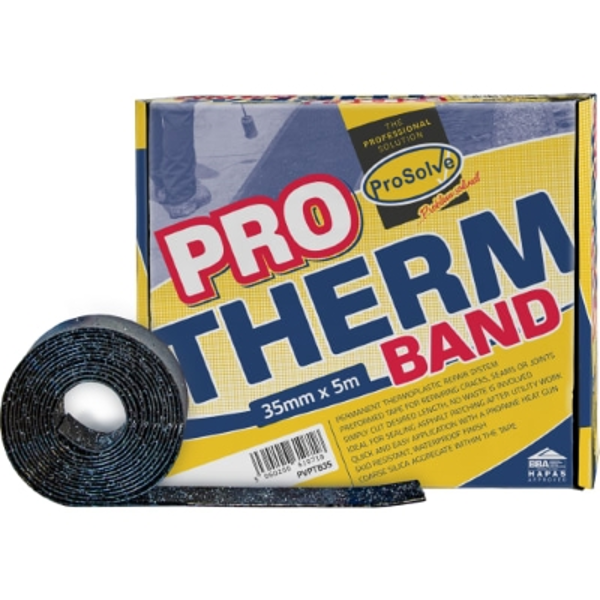
Prosolve Protherm Band
- Professional Banding Tape
- Simple Torch Application
- Seals Repairs & Cracks
- Prevents Water Ingress
- Extends Product Lifespan
- HAPAS Approved
Meon
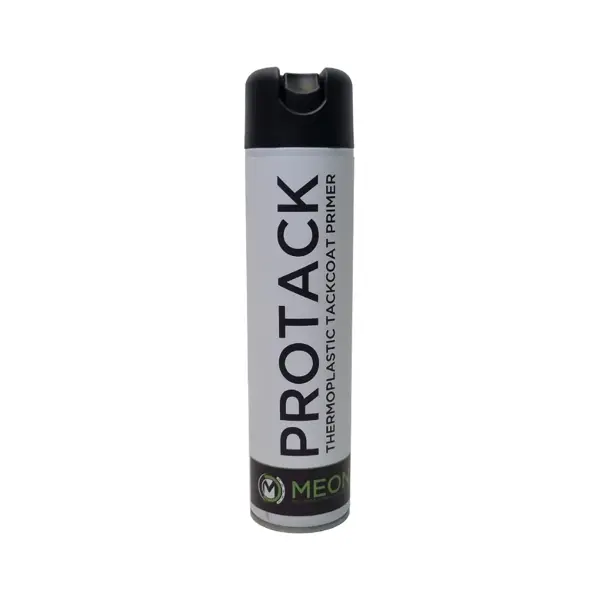
Meon ProTack Thermoplastic Tackcoat Aerosol Primer
- Fast Drying
- Rapid Application
- Increased Adhesion
- Ready To Use
Meon
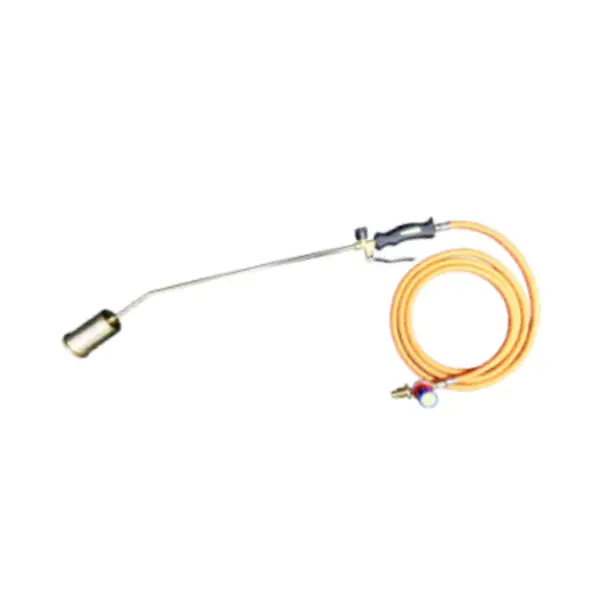
Single Head Gas Torch Kit
- 600mm Lance
- 60mm Burner
- 5m Metal Over-Braided Hose
- Easy To Use
Magma
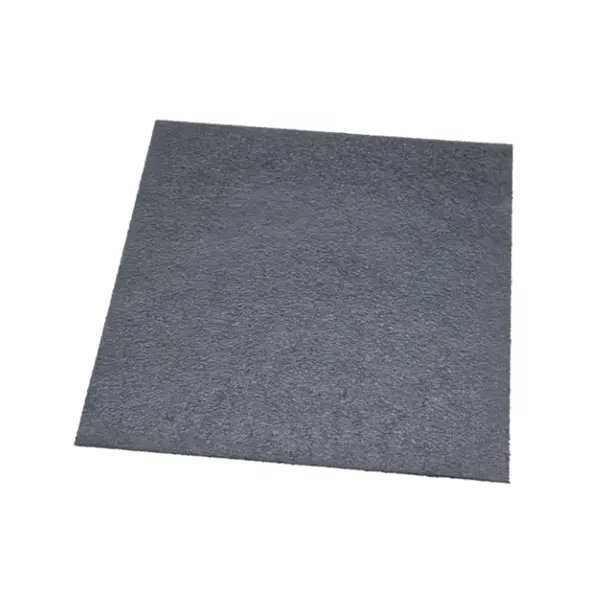
Magma SkidGrip R140 Anti-Skid Fast Application Preformed Sheets
- 50x50cm Preformed Thermoplastic
- Advanced Plus Formula For Great Flexibility
- Year-Round Application
- Five Colours
- Anti-Skid Treatment (>65 SRV)
- Excellent Aggregate Retention
- Minimal Downtime
- Easy Application
- Ideal For Highways & Cycle Lanes
Meon
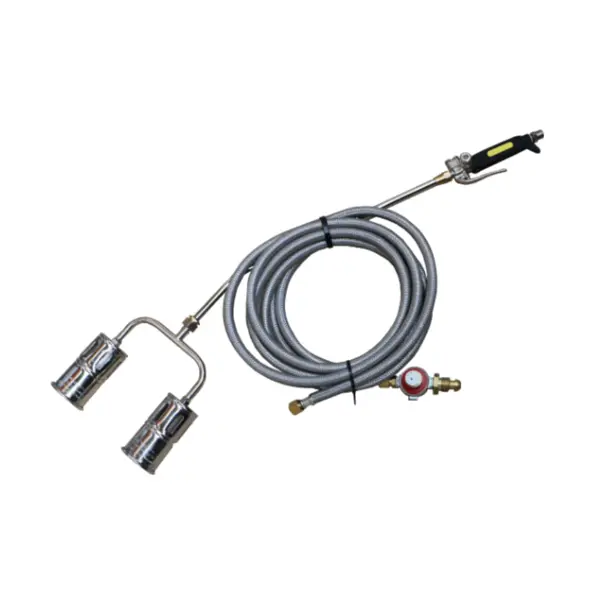
Twin Head Gas Torch Kit
- 600mm Lance
- 2x50mm Burner
- 5m Metal Over-Braided Hose
- Easy To Use
Magma
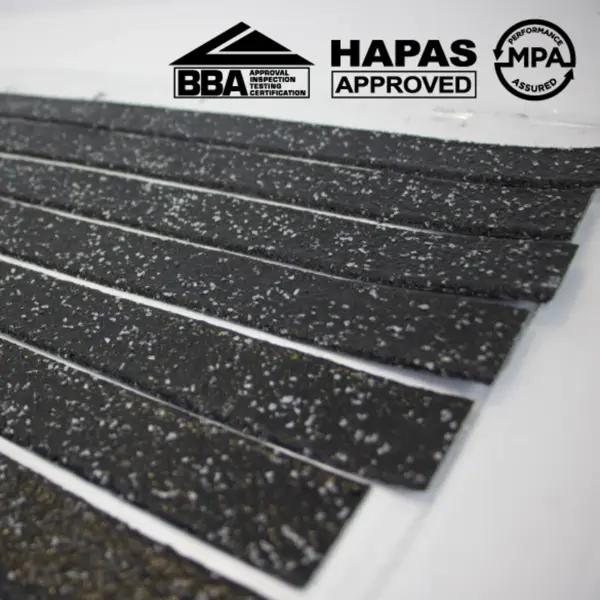
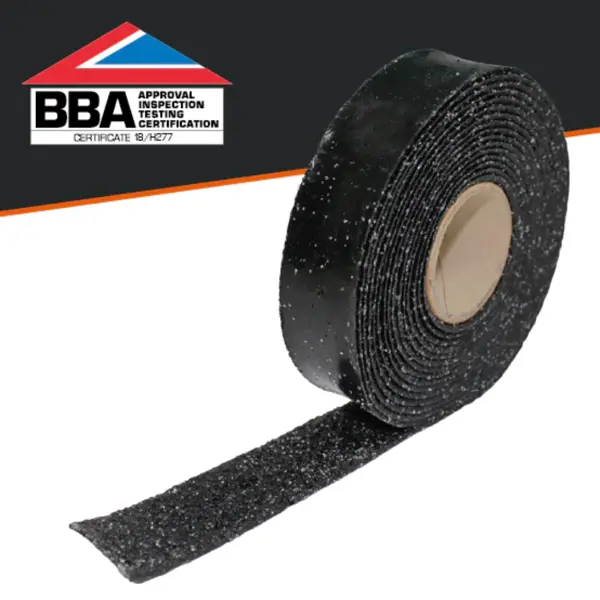
Magma ThermaBand R171 Preformed Thermoplastic HAPAS Overbanding Strip
- Economic
- Advanced Formula
- Easy Application
- Anti-Skid Grain
Magma
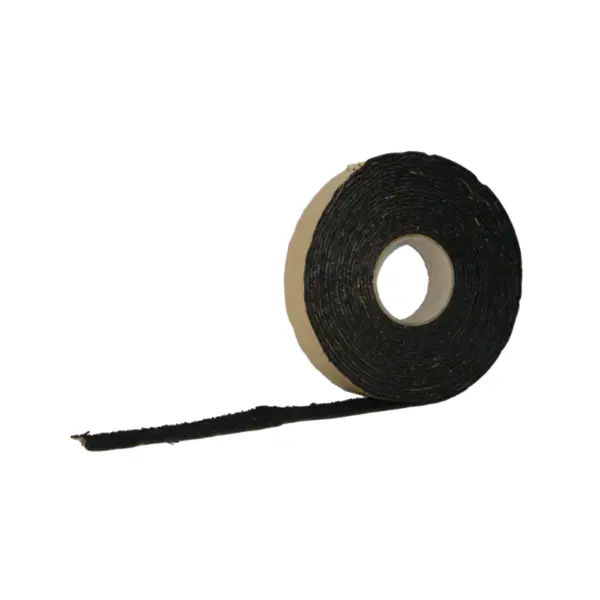
Magma ThermaBand R172 HAPAS Overbanding Tape
- Made From Preformed Thermoplastic
- BBA HAPAS Approved
- Asphalt Surfaces Applications
- Great Flexibility
- Excellent Durability
- Anti-Skid Treatment
- Quick & Easy To Lay
- Minimal Downtime
- No Specialist Equipment Involved
- Ideal For Motroways & Car Parks
Magma
Magma Anti-Skid Overbanding Tape
- Polymer-Modified Bituminous Strip
- Instant Waterproof
- Skid-Resistant Surface
- Water Ingress Prevention
- Asphalt Surfaces Applications
- Excellent Durability
- Great Elastic Properties
- Ideal For Motroways & Car Parks
Meon
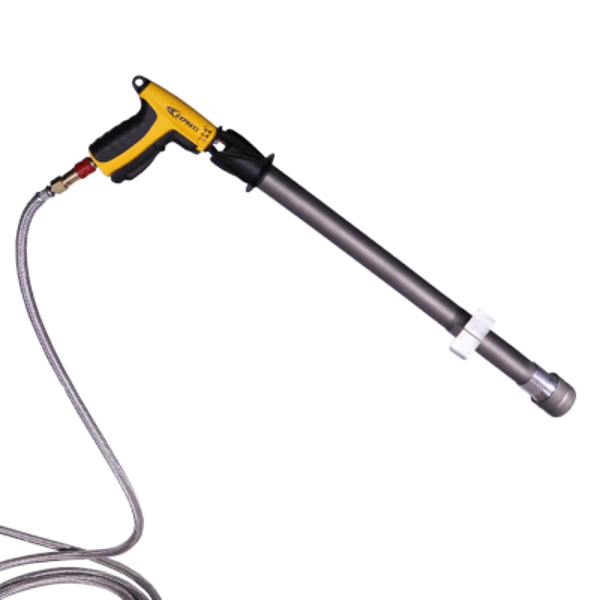
Express Hornet Gas Torch Kit
- Self-Ignition
- Instant Start & Stop
- Two-Stage Power Trigger
- Straight or Cranked Burner
- Lightweight
- Quick-Release Hose
- Burner Support
- Torch, Hose & Regulator Included
Spectrum
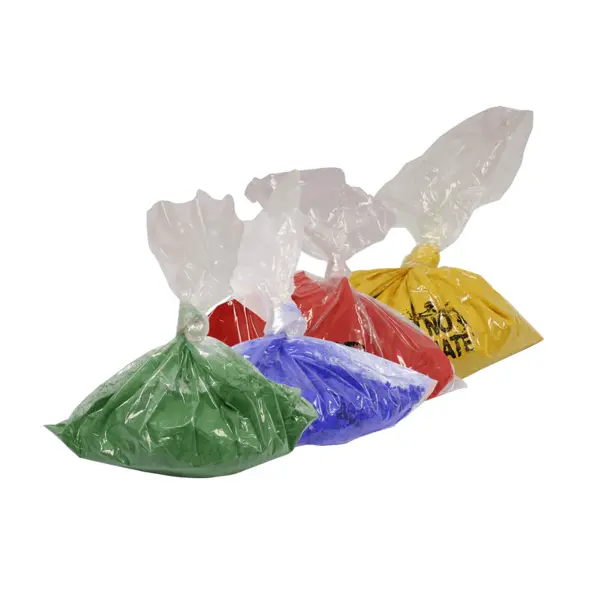
Spectrum Dye Sachet
- Easy To Use
- Stock Saving
- 6 Colours
- Box of 8
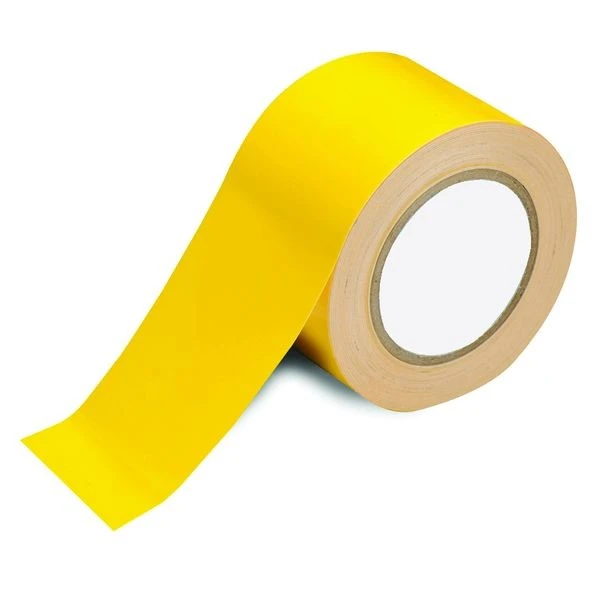
ProSolve
Prosolve Protherm Thermoplastic Line Marker
- Reflective Marking Tape
- Box of 8 x 5m Rolls
- 40m of Line Per Box
- 100mm Wide Line
- Available in White or Yellow
- Melt On To Concrete or Aphalt Surface
- Durable Crisp & Clear Lines
- Ideal For Roads & Car Parks
What is Thermoplastic Line Marking?
Thermoplastic line marking is a road marking technique that uses preformed marking material to create permanent road line markings. The preformed marking materials are available as powdered compounds, rolls of tape, and pre-cut symbol templates. Applying thermoplastic road tape requires heating the marking materials to 200 degrees Celsius with a gas torch kit. When heat is applied, the thermoplastic marking material liquefies, allowing it to adhere to the surface on which it is applied. Once applied, thermoplastic markings last longer than traditional line marking paint, especially under extreme conditions such as weather exposure and heavy traffic.
Benefits of Thermoplastic Line Marking
Highly Durable
Made from highly resilient synthetic compounds, thermoplastic line marking material is formulated to withstand harsh weather conditions and heavy traffic. Thermal bonding causes the material to melt into tarmac or asphalt, resulting in permanent adhesion to the surface as the thermoplastic material cools. Thermoplastic line marking is a preferred line marking method for road marking as it is resistant to rain, UV rays, and constant friction caused by vehicle tyres.
Bright Line Markings
Thermoplastic line marking material is made from high-quality and high-performing pigments that create vivid road markings. One of the most important requirements for road line markings is visibility. Road markings must be clearly visible to road users under all conditions. For this reason, pigments such as titanium dioxide are used to create thermoplastic line marking materials. In addition to the pigments used, glass beads are added to enhance the line marking’s ability to reflect light. All these factors help road users see the markings better in dark or wet conditions.
Fast Application
If you need a line-marking solution that applies and dries quickly, you should shop our range of thermoplastic line-marking products. These products are applied at extremely high temperatures, allowing them to dry almost instantly. Applying the thermoplastic material requires minimal measuring and preparation, as the material comes preformed. This allows for quick project setup and fast installation.
Where Can I Use Thermoplastic Line Markings?
The synthetic resins in thermoplastic line-marking material make it perfect for application on asphalt, concrete, and tarmac. High durability, weather resistance and strong bonding mean thermoplastic line markings can withstand harsh weather conditions and heavy traffic.
Some places where you can use thermoplastic line markings:
Roads, Highways, and Car Parks
Footpaths and Cycling Lanes
Playgrounds
Airports, Ports, and Industrial Areas
Thermoplastic Products You Can Buy
Preformed Thermoplastic Tape
Preformed thermoplastic tape, like the Magma ThermaBand R171 Preformed Thermoplastic HAPAS Overbanding Tape and ProSolve Portherm Band, can be used to seal cracks and joints in asphalt and is formulated to resist water buildup. Ensure you have a suitable gas torch or torch kit for applying the tape.
Preformed Thermoplastic Lines
For accurate and consistent line marking on roads and in car parks, preformed thermoplastic lines like the Magma Magmaline R110 Preformed Plastic Lines offer durable, crisp markings.
Thermoplastic Dye
Thermoplastic dye is a great option for when you need to create different coloured line markings on asphalt, concrete, or tarmac. Products like the Spectrum Dye Sachet give you the ability to dye your thermoplastic line marking material by simply adding one sachet of colour per 20kg of base grade thermoplastic and mixing thoroughly.
Thermoplastic Symbols
Symbols, like the Thermmark Electric Car Charging Symbol, come in 4 bright colours and can be applied very easily using heat. These symbols are weather- and UV-resistant. This makes them ideal for use in public car parks and private driveways.
Gas Torch Kits
Gas torch kits can be used to dry the area before applying and for heating thermoplastic equipment and materials before application. Once the area is cleaned and prepared, use the torch to heat the materials so that it bonds to the surface. We sell both single head gas kits and twin-head gas kits.
How to Apply Thermoplastic Line Marking
Applying thermoplastic line marking material is easy and convenient.
The application process for thermoplastic line marking material is as follows:
Prepare the Surface: Clean and dry the area before placing your thermoplastic material. You can use your gas torch to dry the area.
Place Thermoplastic Material: Place your lines on your surface. Make sure you do this accurately before applying heat.
Use Gas Torch to Heat the Material: Apply heat to the material using your gas torch or gas torch kit.
Need Help Choosing The Right Thermoplastic Solutions
When choosing the right thermoplastic line-marking solutions for your project, consider the project's scope and the properties of the surface you are marking. Before purchasing your thermoplastic marking material, decide whether you require preformed thermoplastic tape, lines, or pre-cut symbols. After deciding on material type, look for thermoplastic materials formulated for the surface you are marking and designed to withstand the traffic the marked area will receive. For road line marking, thermoplastic materials that ensure skid resistance are essential. To achieve skid resistance, we recommend purchasing thermoplastic line marking material with tiny glass beads added to its formulation.
Once you have the best thermoplastic material and marking product for your project, you then need to ensure you have the correct equipment for the application. Browse our range of gas torch kits today to get the best heat applicators for your thermoplastic road marking project. Our torch kits are easy to use and come with all the hoses and attachments you need to complete your project.
Browse our comprehensive range of thermoplastic line marking materials that includes preformed tape, lines, symbols, thermoplastic dye, and gas torch kits. Start your thermoplastic line marking project today with a purchase from LineMarkerPaint and join millions of groundsmen across the United Kingdom benefiting from our manufacturer-backed warranties, price-match promise, and fast delivery options. For more information, contact us today and one of our line-marking experts will walk you through our product offerings and provide you with assistance for your line-marking project.
Thermoplastic Line Marking Frequently Asked Questions
How long does thermoplastic line marking last?
It depends on the weather conditions and traffic flow. Generally, it can last between 3 and 5 years, but remember to factor in the conditions.
Can I use thermoplastic line markings on concrete?
Yes, it can be used on a variety of hard surfaces, including asphalt, concrete, and tarmac.
How do I apply thermoplastic material?
You need to use a gas torch to heat the material so that it bonds to the surface.
What colours do thermoplastic materials come in?
Most thermoplastic materials come in white. There are dye kits available that you can use to colour your material. These dyes include yellow, red, green, and blue.
Must the surface be prepared before applying thermoplastic materials?
Yes, the area must be cleaned and dried thoroughly.